Peptide Oral Dissolving Film · B2B
Custom Peptide Oral Strips OEM & ODM
Formulation, prototyping, private label, packaging and scalable production in one workflow.
Content updated · Evidence and updates
Packaging should be chosen with the film and its storage plan, rather than added after sample approval. Individually sealed sachets allow each strip to remain protected until opening, but a foil appearance alone does not establish barrier performance. Request the actual laminate specification, contact layer, sealing conditions and evidence relevant to the proposed product. Opening force, tear position and usable internal dimensions should be checked with a real strip. Printing, barcode placement, batch coding and carton count need their own approved artwork version. A storage study should use the intended final pack so the results describe the product customers will receive. Transport configuration also matters: carton strength, compression and exposure during distribution should be included in the discussion. Confirm which packaging quantities, printing setup charges and proof revisions are included in the quotation.
A shelf life needs evidence from the actual formula in the intended packaging under a documented storage plan. Neither a fresh prototype nor an ingredient supplier's expiry date establishes the finished film's usable life. Define the properties to follow over time, the methods, sampling intervals and the criteria for an unacceptable change. Keep physical handling, measured content and packaging observations connected to the same samples. Different storage conditions answer different questions; a stress screen helps identify risks but does not automatically become a commercial expiry claim. Ask whether the proposed study addresses the destination climate and expected distribution conditions. When a formula, supplier or laminate changes, assess whether the earlier evidence remains applicable. HYTANBIO does not publish a universal shelf life for all peptide oral films; project documentation must identify what has been demonstrated and what remains under evaluation.
Compare sachet materials using a documented barrier report, not the word foil or the laminate thickness alone. Ask for water vapor transmission rate (WVTR) and, when relevant to the ingredient, oxygen transmission rate (OTR). Each result needs its unit, test method, temperature, humidity conditions and material construction so quotations can be compared meaningfully. Reports for different conditions should not be ranked as though they measured the same performance. ASTM F1249 and ASTM D3985 describe methods for water vapor and oxygen transmission through film materials; citing them does not establish that a HYTANBIO package has been tested. A laminate measurement also does not replace checks on the finished sachet, including seals, opening features and storage with the actual product. Agree the required evidence with the packaging supplier and testing laboratory before approving the specification or transferring an existing shelf-life statement to a new pack.
Method references: ASTM F1249-25: water vapor transmission and ASTM D3985-24: oxygen transmission. Method selection and acceptance limits must be agreed for the specific packaging project.
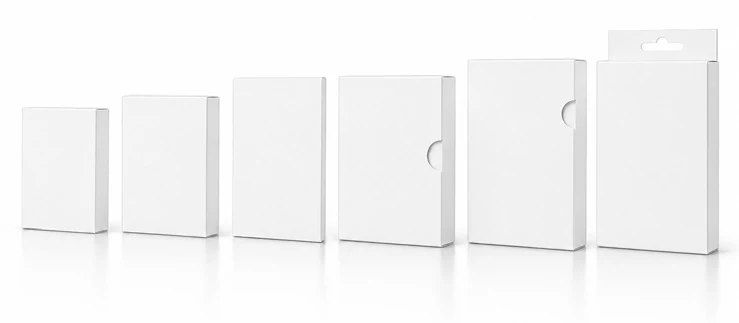
The new selection guide connects three source film formats with two primary-sachet sizes and six outer-packaging styles. Counts and dimensions are references that require prototype-fit confirmation.